In today’s fast-moving digital landscape, technology is no longer just a support system for businesses—it is a core driver of growth, efficiency, and competitiveness. Companies of all sizes rely on digital tools and infrastructure to manage operations, communicate with customers, store data, and deliver services. Without reliable IT systems in place, even well-established businesses can struggle to keep up with evolving market demands.
As industries become more connected and data-driven, the need for strong technological foundations continues to grow. Businesses must not only adopt new tools but also ensure those tools are secure, scalable, and properly managed.
This has made IT services an essential part of modern business strategy rather than an optional add-on.
Understanding which technology solutions are most valuable can be challenging, especially with the wide range of services available today. From cybersecurity and cloud computing to technical support and infrastructure management, each area plays a role in maintaining business performance. Choosing the right combination of services can significantly impact productivity, customer satisfaction, and long-term success.
Managed IT Support and Infrastructure Management
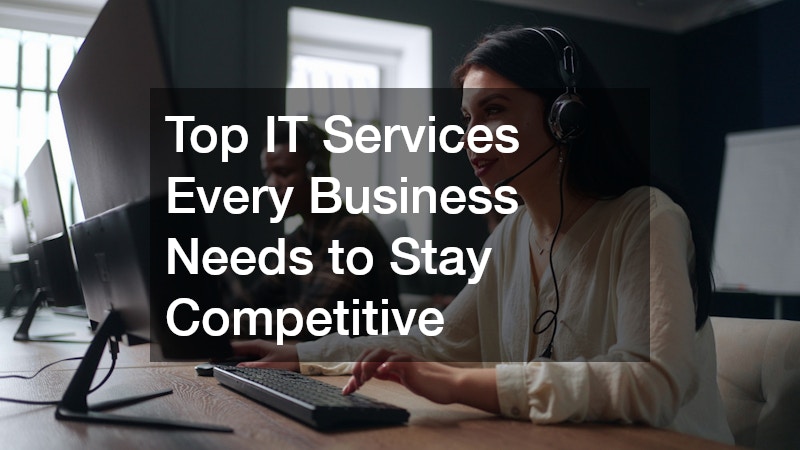
One of the most important components of modern business technology is ongoing IT support. Companies rely on systems that must remain operational around the clock, and even minor disruptions can lead to lost revenue and reduced productivity. Managed IT support ensures that technical issues are addressed quickly and efficiently before they escalate into larger problems.
Top IT services in this category often include system monitoring, network management, software updates, and troubleshooting support. These services help businesses maintain stable operations without needing to build large in-house IT departments. Instead, companies can rely on external experts who specialize in maintaining and optimizing technology environments.
Infrastructure management also plays a key role in ensuring that hardware and software systems work together effectively. This includes servers, networks, storage systems, and connected devices. Proper management reduces downtime, improves performance, and ensures that systems remain secure and up to date.
Cybersecurity and Data Protection
As businesses become more dependent on digital systems, the risk of cyber threats continues to increase. Cyberattacks, data breaches, and ransomware incidents can cause significant financial and reputational damage. For this reason, cybersecurity has become one of the most critical areas of IT investment.
Modern security solutions include firewalls, encryption, intrusion detection systems, and continuous monitoring. These tools work together to identify threats early and prevent unauthorized access to sensitive data. Employee training is also an important component, as human error remains one of the most common causes of security breaches.
Top IT services in cybersecurity focus on creating layered protection strategies that safeguard both internal systems and customer information. Regular security audits and vulnerability assessments help identify weaknesses before they can be exploited. This proactive approach is essential for maintaining trust and compliance with industry regulations.
Data protection also involves secure backup systems and disaster recovery planning. In the event of system failure or cyberattack, businesses must be able to restore critical data quickly. Without proper safeguards in place, recovery can be slow, costly, and incomplete.
Communication and Collaboration Tools
Effective communication is essential for any successful organization. As businesses expand and teams become more distributed, digital communication tools have become increasingly important. These systems help employees collaborate in real time, share information efficiently, and stay connected regardless of location.
Modern communication platforms include email systems, video conferencing tools, instant messaging applications, and project management software. These tools streamline workflows and reduce delays caused by miscommunication or lack of coordination.
Top IT services in this area focus on integrating communication systems into a unified digital environment. This ensures that employees can access all necessary tools from a single platform, improving efficiency and reducing complexity. Integration also helps maintain consistency across departments and locations.
Collaboration tools also support file sharing, task tracking, and team coordination. These features are especially valuable for remote teams, where clear communication is essential for maintaining productivity and meeting deadlines.
IT Consulting and Strategic Planning
Technology is constantly evolving, and businesses must continuously adapt to remain competitive. IT consulting services help organizations make informed decisions about technology investments, system upgrades, and long-term digital strategies. These services provide expert guidance based on industry trends and business goals.
Consultants assess existing systems, identify inefficiencies, and recommend improvements that align with organizational objectives. This helps businesses avoid unnecessary spending while maximizing the value of their technology investments.
Long-term planning also helps businesses stay ahead of technological changes. By anticipating future needs, companies can implement systems that scale effectively and support innovation over time.
Technology plays a central role in how modern businesses operate, compete, and grow. Without reliable IT systems, organizations risk inefficiency, security vulnerabilities, and missed opportunities. Investing in the right combination of services is essential for maintaining stability and supporting long-term success.
From infrastructure management and cybersecurity to cloud computing and communication tools, each area contributes to overall business performance. When implemented effectively, these solutions create a strong foundation that supports productivity, collaboration, and innovation.
Top IT services provide the expertise and support needed to manage complex technology environments while allowing businesses to focus on their core operations. They help organizations stay secure, adaptable, and efficient in an increasingly digital world.
Ultimately, staying competitive requires more than just adopting new technology—it requires a strategic approach to managing and optimizing it. Businesses that invest in the right IT solutions position themselves for sustainable growth and long-term success in an ever-changing marketplace.